
How to Pass MRCS Part B OSCE | Complete Revision Guide 2026
If I could give one tip?
The examiners want punchy answers (unless it’s a communication station) - in general you want your answers to be as short and as punchy as possible. Don’t waffle or over explain if they haven’t asked for an explanation. Focus on a structure to deliver punchy answers. Quite often the correct answer is a single word or a short sentence - if you find yourself giving long paragraph answers or explaining ATLS you’re losing marks. This resource gives you all the answers but in general you shouldn’t be memorising large tables of information for Part B. Give the examiner a concise answer using a structure (e.g. pre op, intra op, post op) and you will do well.
Read on for more!
The MRCS Part B OSCE is the final hurdle before membership of the Royal College of Surgeons. It is a demanding clinical exam — but it is entirely passable with the right preparation. This guide covers everything: what the exam tests, how it is structured, how to build your revision plan, and what to focus on in each section.
What Is the MRCS Part B?
The MRCS Part B is an OSCE. It is the second and final part of the Intercollegiate MRCS examination, assessing whether surgical trainees have the knowledge, skills and professional attributes to progress beyond core training into higher surgical speciality training.
You must have passed MRCS Part A before you can sit Part B. You have a maximum of four attempts to pass, and must complete Part B within seven years of passing Part A. Given the cost of each sitting (currently over £1,000), passing first time should be the goal and it’s entirely doable!
The Exam Format — What to Expect on the Day
The MRCS Part B is a 3.5-hour circuit comprising 18 examined stations, each lasting 9 minutes, with a 1-minute reading time before each station. There may also be one or more preparation stations and one pre-tested pilot station — you will not know which station is being piloted.
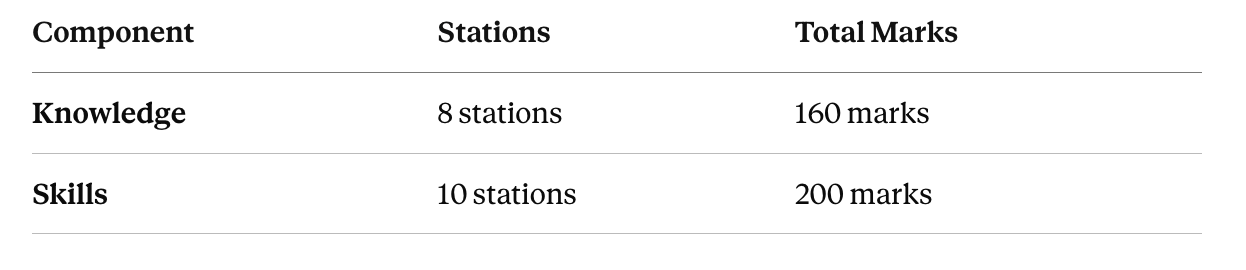
Each station is marked out of 20 marks, giving a total of 360 marks.
The Two Components You Must Pass
The 18 stations are divided into two broad content areas. You must pass both independently in a single sitting — you cannot bank a pass in one and resit the other.
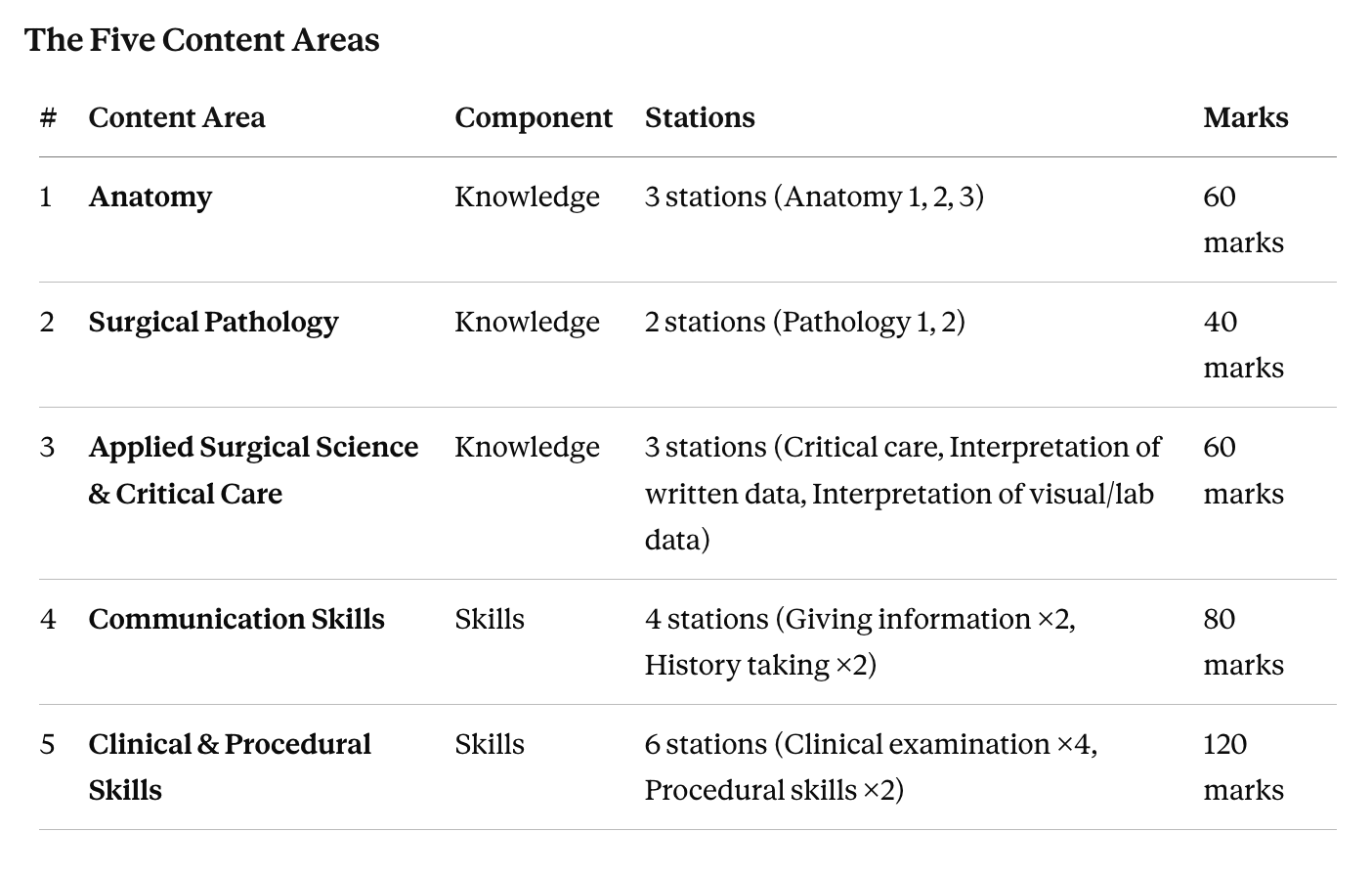
There are 5 content areas
How Long Should You Revise For?
The BMJ recommends 4–6 months of structured preparation. In practice, most candidates who pass first time begin focused revision 4 months before the exam. Starting earlier gives you the buffer to cover all sections thoroughly without cramming and we would recommend some light reading starting 5 months before the exam with ramping up at 3 months out.

Section-by-Section Revision Guide
1. Anatomy (3 stations — 60 marks)
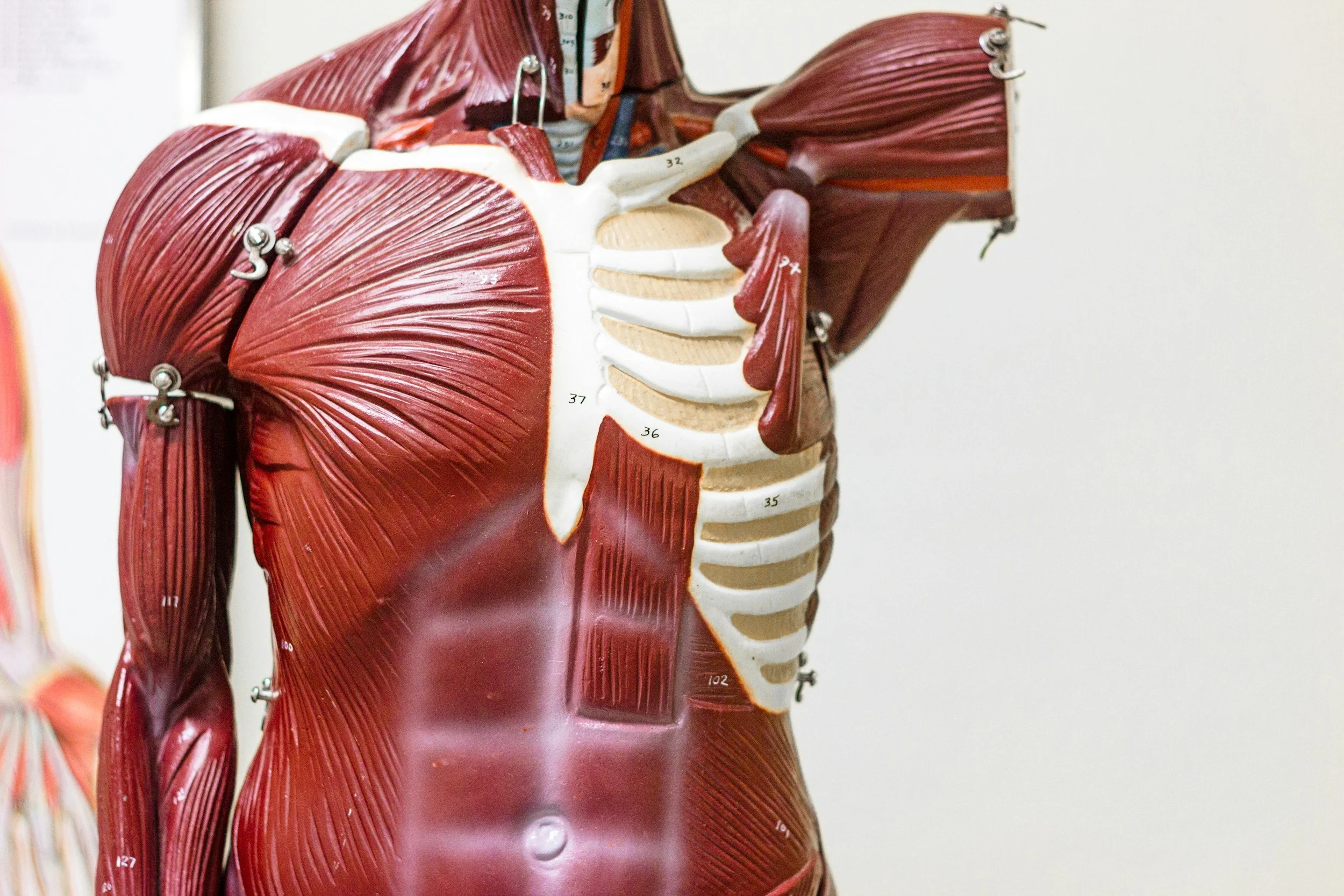
Anatomy stations follow a consistent format: a short clinical vignette is given before you enter, then the examiner takes you through a series of questions using prosections, surface anatomy, bones, radiological images and specimen photographs.
All 20 marks in these stations are awarded for clinical knowledge.
Cover anatomy systematically by region. The most commonly examined areas are:
Head & neck — cranial nerves, thyroid, parotid, submandibular gland, triangles of the neck, carotid vessels
Abdomen — inguinal canal, femoral triangle, portal circulation, retroperitoneum, mesenteric vessels
Upper limb — brachial plexus, carpal tunnel, rotator cuff, median/ulnar/radial nerves
Lower limb — femoral nerve/artery/vein, sciatic nerve, popliteal fossa, ankle
Thorax — mediastinum, intercostal space, chest drain landmarks
Spine — vertebral levels, cord anatomy, common fracture patterns
How to revise anatomy: Learning dissection anatomy is a fair bit harder than text book anatomy. You already have the knowledge from part A but we would recommend using Acland’s anatomy to dive into real directional anatomy (available free with a royal college membership). Don’t forget surface anatomy. Cadaveric prosection images are high-yield — use resources that include these.
2. Surgical Pathology (2 stations — 40 marks)
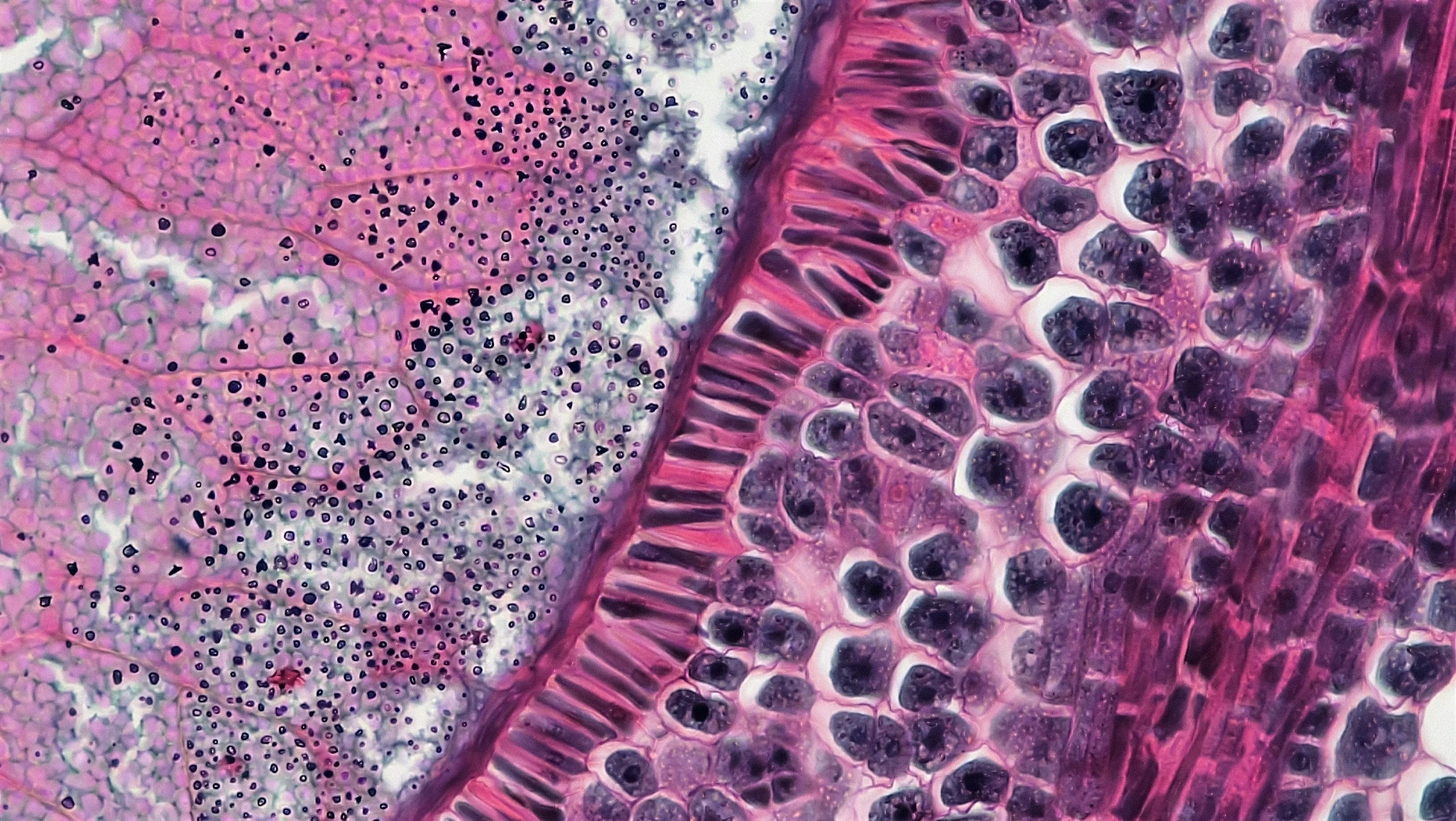
Pathology stations present you with histopathology reports, macroscopic specimens, microscopy images, immunohistochemistry results and staging classifications. You need to interpret these and discuss the clinical implications.
All 20 marks in these stations are awarded for clinical knowledge. Examiners want clinical correlation — not just definitions. Always link your pathology answer back to what it means for the patient.
High-yield pathology topics:
Malignancy — TNM staging, grading, tumour markers (ER/PR/HER2, PSA, AFP, CEA)
Inflammation — acute vs chronic, granulomatous disease (TB, sarcoid, Crohn's)
Necrosis — types and surgical relevance
Wound healing and surgical complications
Vascular pathology — atherosclerosis, aneurysm, gangrene
Bowel pathology — IBD, colorectal cancer, carcinoid
Breast pathology — cancer grading, triple screening, receptor status
Endocrine tumours — MEN syndromes, thyroid cancer, carcinoid
How to revise pathology: This site uses OSCE-style clinical scenarios built around pathology reports — exactly the format you will face on the day. If you know this sites questions you will be set for content.
3. Applied Surgical Science & Critical Care (3 stations — 60 marks)
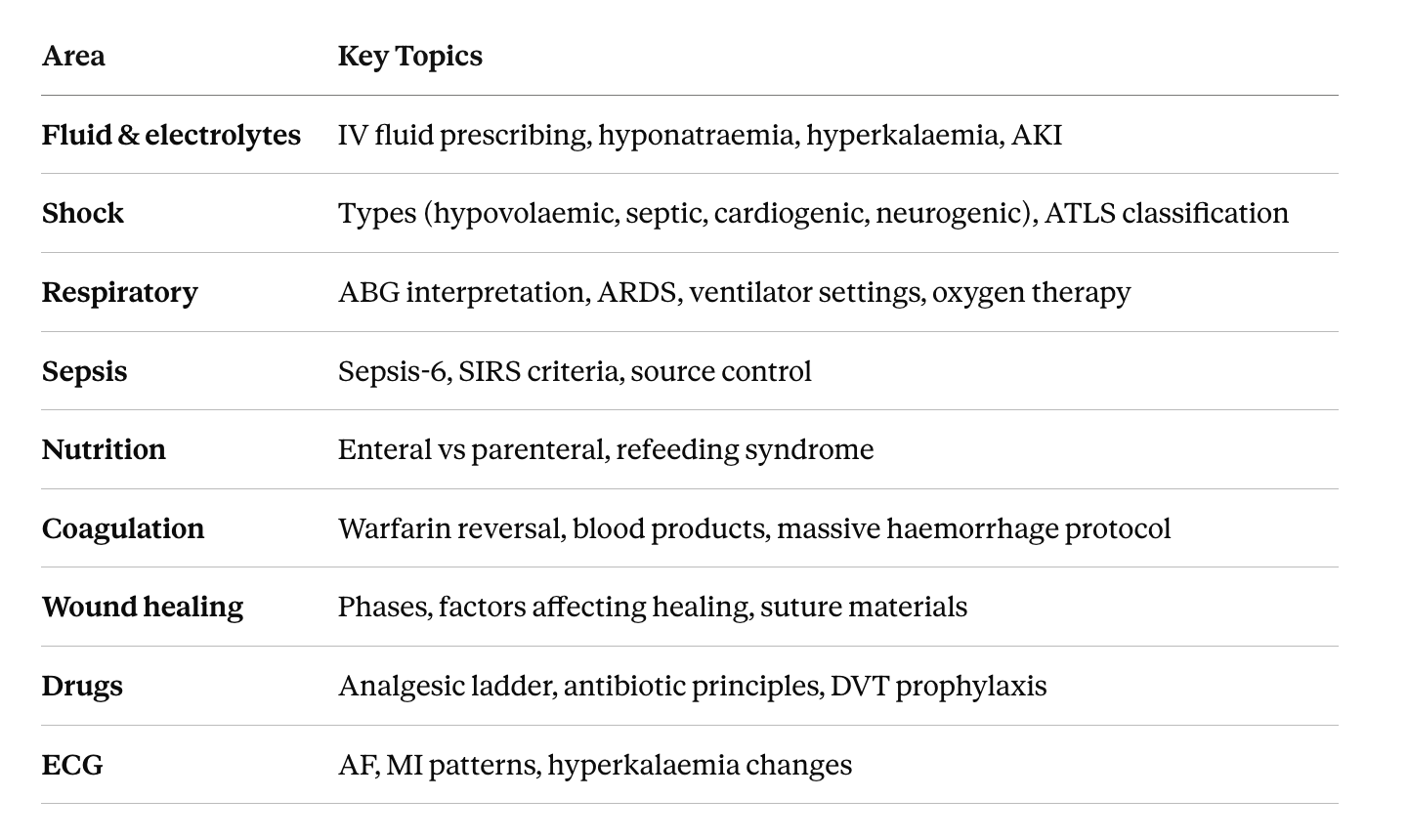
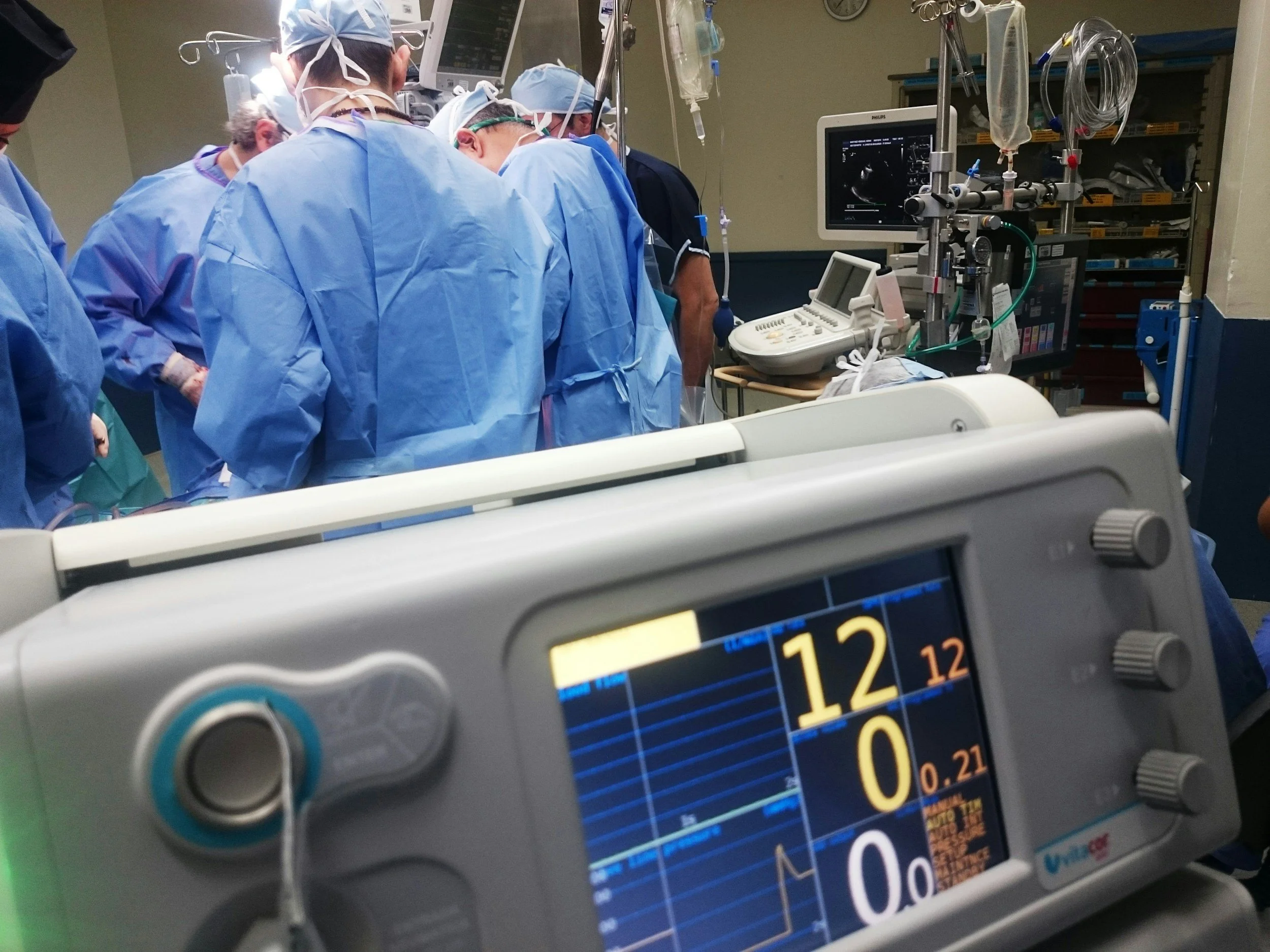
These stations test your applied understanding of physiology, pharmacology, surgical science and critical care management. Stations typically involve interpretation of clinical data — blood results, ECGs, ABGs, chest X-rays, observations charts — and require you to reason through a clinical problem. A big thing mentioned by examiners is the over reliance of A-E, it should be mentioned but briefly. Don’t spend your 9 minutes exampling an A-E, the examiner wants to know what you would actually do for the patient and how you assess large amounts of diagnostic information.
High-yield topics:
How to revise ASSCC: These stations reward candidates who can think aloud, systematically. Practise narrating your thought process about acutely unwell patient — examiners want to hear your reasoning, not just your answer.
4. Communication Skills (4 stations — 80 marks)
Communication stations are where many strong knowledge candidates lose marks. These stations are double-manned— a surgeon examiner and a lay examiner both assess you, with different aspects of your performance scored independently. There can some be some difficult scenarios where the exact answer isn’t clear - just remember to do what’s best for your patient and follow GMC good clinical practice guidance (be honest, be clear, be kind and you will do well).
There are two subtypes:
Giving & receiving information (2 stations):
Breaking bad news (e.g. new cancer diagnosis, unexpected surgical complication)
Explaining a procedure or diagnosis to a patient or relative
Handover to a colleague
Consenting a patient for surgery
Cancelling a surgery
History taking (2 stations):
Taking a focused surgical history from an actor-patient
The station also tests your differential diagnosis and management plan
Key principles for communication stations:
ICE — explore the patient's Ideas, Concerns and Expectations early
Chunk and check — give information in manageable pieces and check understanding
Avoid jargon — speak to the patient in plain English
Safety-net — always tell the patient what to do if things get worse
Professionalism — introduce yourself, maintain eye contact, acknowledge emotions
How to revise communication: You must practise out loud with another person - ideally multiple to gain different perspectives. Reading scripts does not work. Record yourself, use a friend or colleague as the patient, and critically review your performance. Ask friends to give you challenging communications that come up in their own practice (we’ve all had to break bad news, cancel cases, or explain difficult situations).

5. Clinical Examination (4 stations)
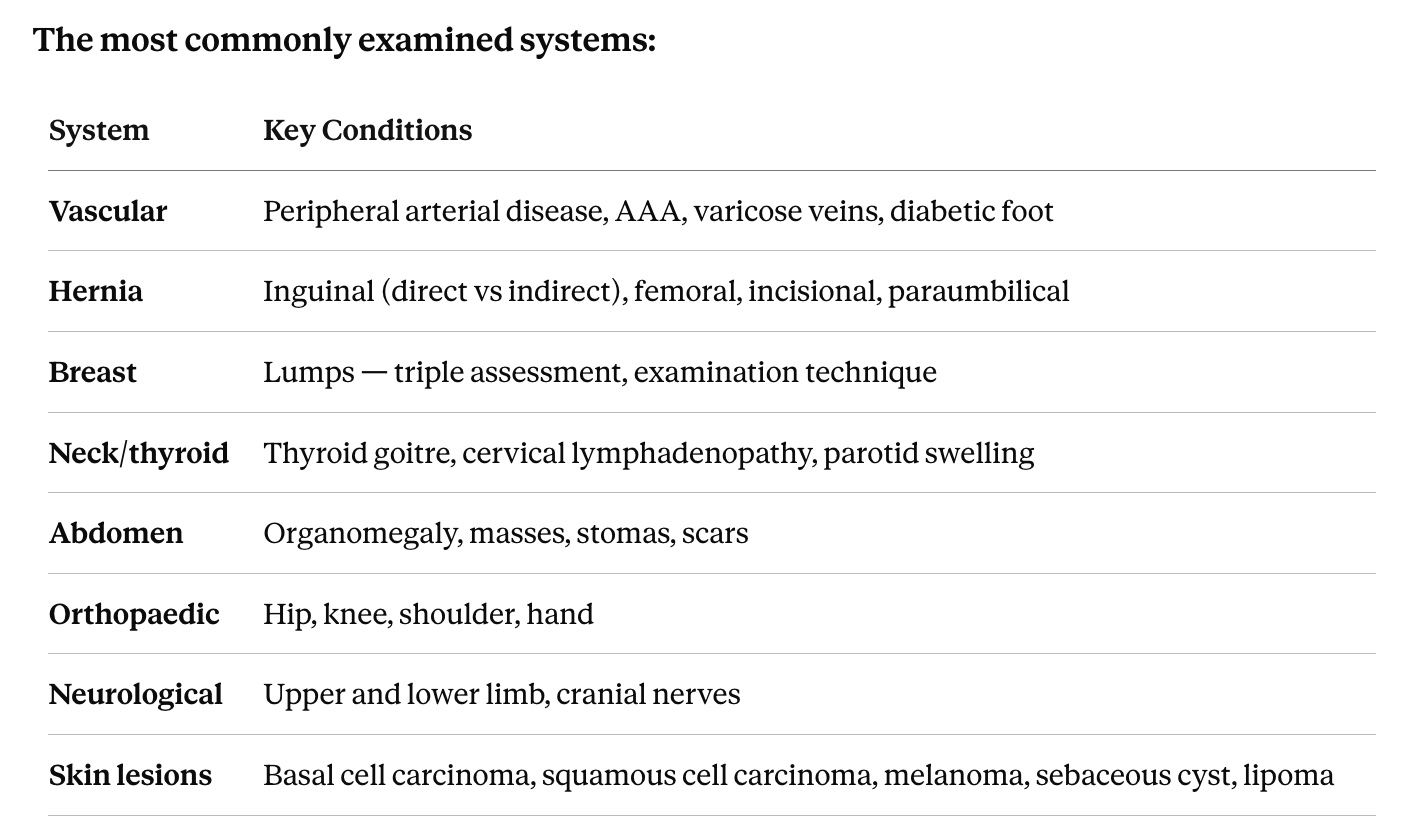
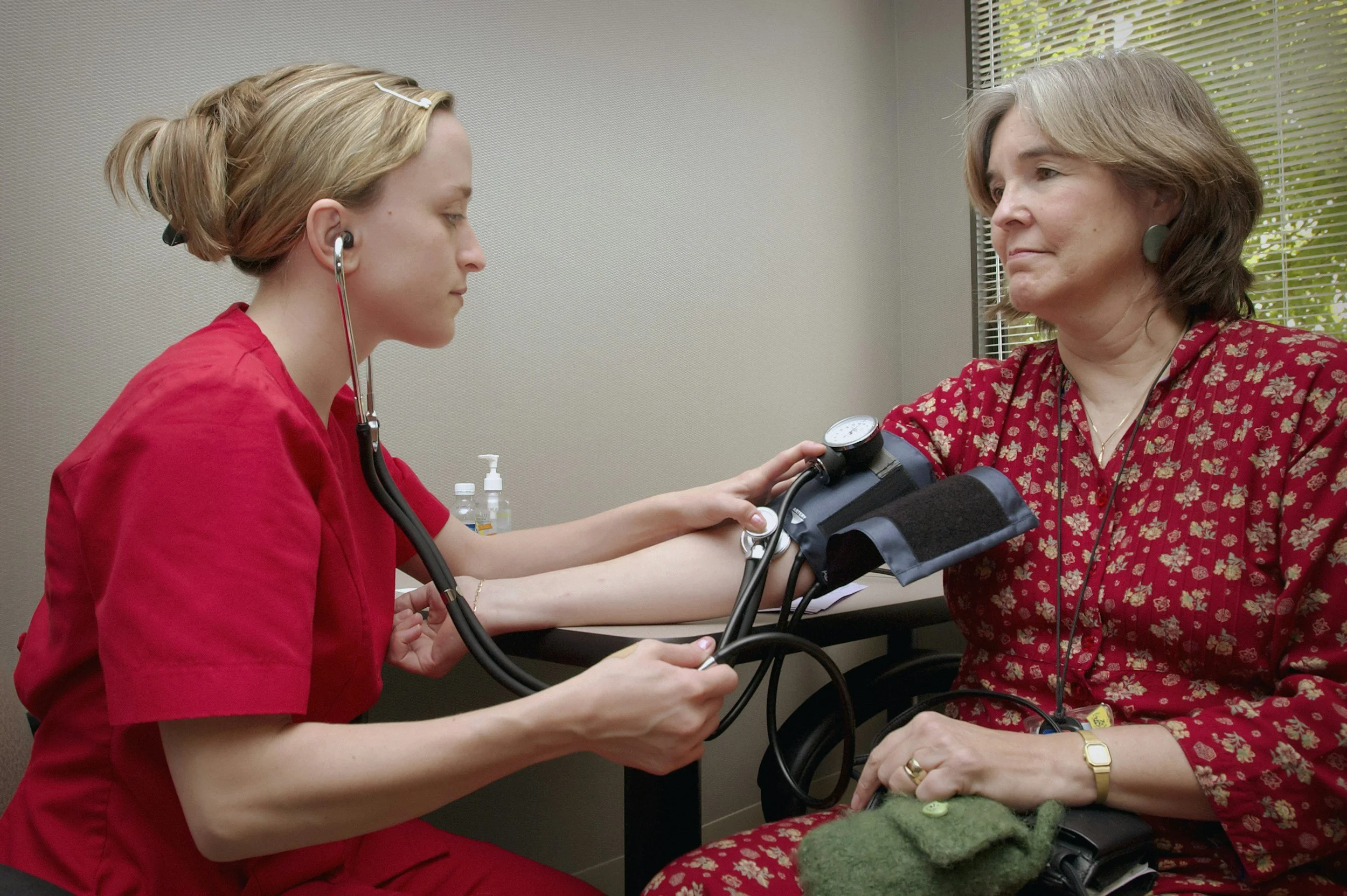
Physical examination stations require you to examine a real patient or, in some formats, discuss examination findings from a described or depicted patient. You are assessed on technique, fluency, clinical reasoning and professionalism. There is often real findings (or patients acting symptoms) but the actual exams are medical school level so the mechanics should be easy enough.
Examination routine essentials:
Start with a confident introduction: "I'd like to examine your [system] if that's okay"
Be systematic and look for clinical signs
Practise presenting your findings as you examine — do not examine silently
How to revise clinical examination: Examine real patients on the wards every week in the months before your exam. There is no substitute. Get a friend to mark you on a check list to ensure you dont miss examination steps - Geeky medics and OSCEsense.com both have good examination checklists.
6. Procedural Skills (2 stations)
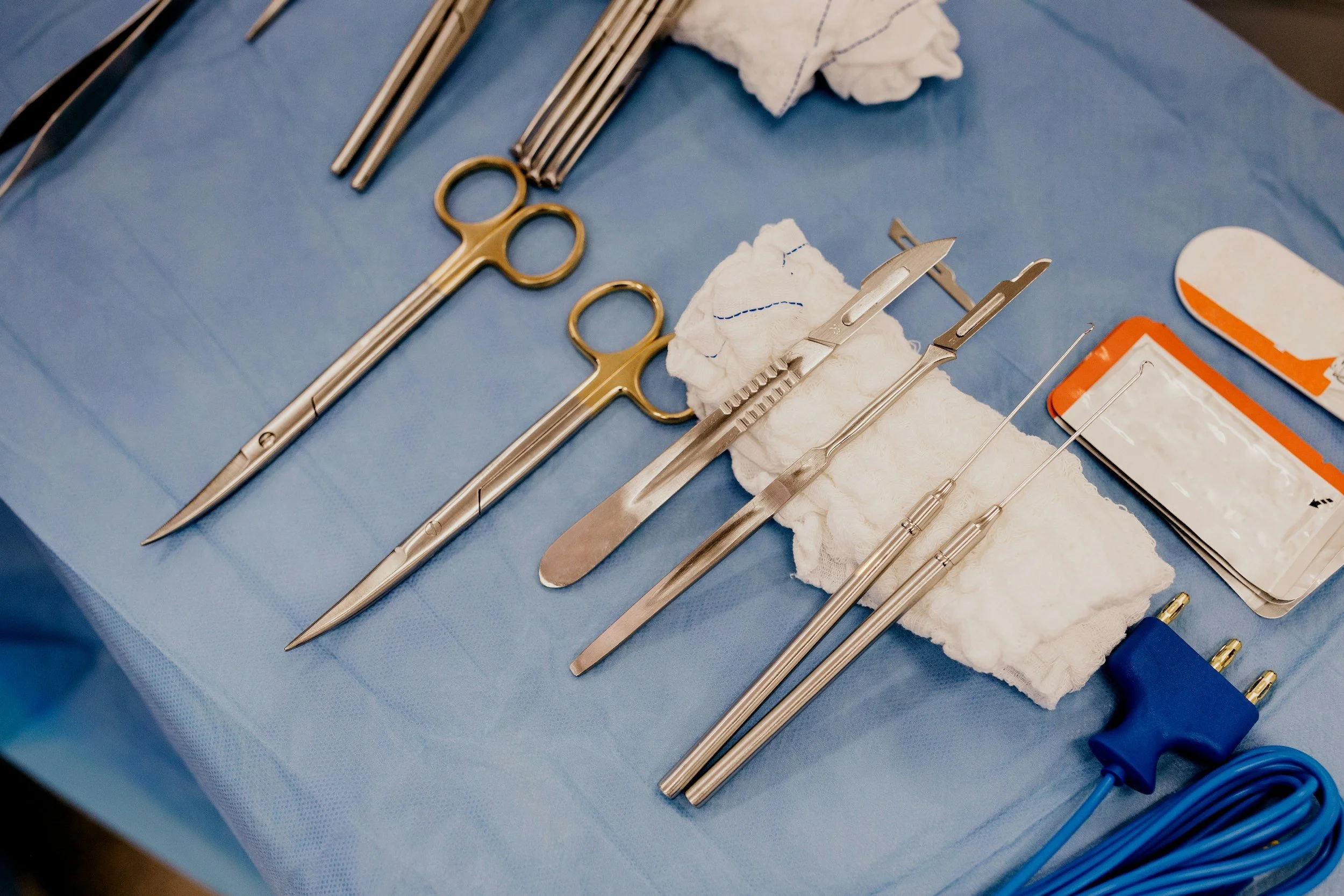
Procedural skills stations assess your ability to perform or demonstrate common surgical and clinical procedures safely. Stations may use manikins, task trainers or actors.
Commonly examined procedures:
Surgical scrubbing, gowning and gloving
Instrument identification and safe handling
Suturing and knot-tying
Nasogastric tube insertion
Urinary catheterisation
Chest drain insertion
Basic surgical principles — diathermy, haemostasis
How to revise procedural skills: Practise on simulation equipment — your hospital's simulation centre will have most of what you need. Ask your surgical seniors to supervise you performing these tasks in theatre as much as possible. The more you do these for real, the more fluent and confident you will appear. If you let your supervisors and senior regs know you have part B coming up and you need to close as many cases as possible and perform skills they are usually supportive!
Common Reasons Candidates Fail
Understanding why people fail is as important as knowing what to revise:
Failing the Knowledge or Skills component independently — you must pass both. A brilliant skills performance cannot compensate for a failed knowledge section.
Neglecting communication stations — underestimated by many knowledge-strong candidates.
Insufficient clinical examination practice — reading about examination is not the same as doing it. You must practice with friends and on patients.
Uneven revision — over-investing in familiar topics and neglecting weak areas.
Exam nerves — addressed only by repeated mock practice under realistic conditions. We’d strongly recommend attending a day / 2 day course run by your chosen surgical college - they help you become more familiar with the format, improve confidence, are often held in the exam location, and really ease nerves on the day.
Poor time management on the day — 9 minutes goes fast. Practise working to time.
Review dissection anatomy - it’s not the same as non-clinical anatomy diagrams and you will get lost easily if you don’t review pictures of real dissections before the day.
On the Day — Key Tips
Arrive early — familiarise yourself with the circuit layout during any preparation stations
Read the stem carefully — the vignette tells you exactly what the station is testing
Think aloud — examiners award marks for reasoning, not just answers. If you are unsure, say so and walk through your thinking
If you get something wrong — examiners will correct you and move on. Do not dwell on it
Professionalism counts — greet the patient, introduce yourself, wash hands (or use gel), maintain eye contact
Manage your time — if you are stuck, move on. Partial answers score marks
Everyone says it… but if you mess up a station (or even a few in a row), MOVE ON and forget about it… seriously. If you start on a run of pathology stations it will be really hard and you may be tempted to give up but trust us - everyone is struggling and it will get better.
Start Revising
MRCS Complete provides structured, OSCE-style revision scenarios for the most high-yield MRCS Part B topics. Each scenario is built around a clinical vignette — exactly the format you will face on exam day.
Start the MRCS Complete Course →
This guide is written for candidates sitting the MRCS Part B OSCE in 2026/2027. Exam formats may change — always check the latest guidance from your relevant Royal College of Surgeons.